Growing Prosperity from Soil, Water, and Community


Integrated Natural Resource Management transforming agriculture and livelihoods in Dakshin Dinajpur.

Embark on the Journey
Real-Time Data

Project Dashboard

Track our progress, visualize the impact, and access transparent data across all project verticals.

Live Dashboard
Explore Live Dashboard

3,000

Farmers Empowered

1,000+

Acres Revived

100%

Bodies Restored

5+

Sustainable Systems


The Core Issue

A Community-Driven Ecosystem

SRIJAN builds a community-driven ecosystem for climate-resilient agriculture, helping farmers overcome modern challenges.

The Challenge

Climate Stress & Soil Fertility

Climate stress and declining soil fertility threaten traditional agricultural practices.

Water Scarcity

Water scarcity and degraded land make dry-season cultivation nearly impossible.

Fragile Livelihoods

Fragile rural livelihoods and limited access to sustainable agricultural knowledge hinder progress.

The SRIJAN Solution

Resource Mapping
Soil Testing
Farmer Field Schools
Organic Farming
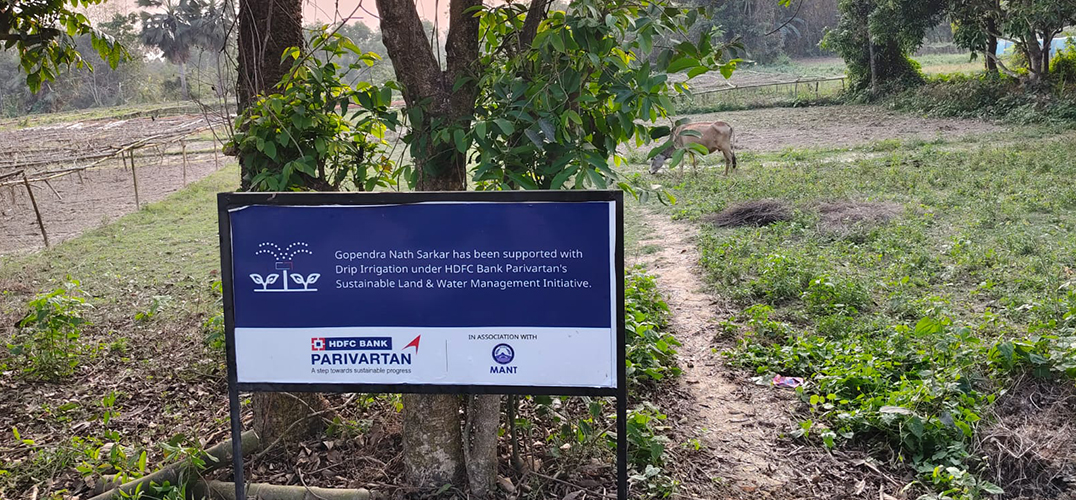
Renewable Irrigation
Community Enterprises
Our Footprint

30 Villages. One Shared Future.

Rooted across Tapan, Balurghat, and Kumarganj blocks in Dakshin Dinajpur, SRIJAN reaches communities where change is most needed — and most possible.

Dakshin Dinajpur

  • Tapan Block
    12 Villages Active
    1,200 Farmers
  • Balurghat Block
    10 Villages Active
    1,000 Farmers
  • Kumarganj Block
    8 Villages Active
    800 Farmers

Total 30 Villages Covered

Tapan
Balurghat
Kumarganj
The Methodology

SRIJAN’s Role In A Farmer's Journey

A systematic approach to building resilience from the ground up.

1. Know the Land

We begin where it matters most — understanding the soil, water, and resources each community holds.

2. Build Together

FIGs, SHGs, and Water Committees form the backbone of transformation.

3. Learn and Grow

Training in sustainable agriculture puts modern knowledge in farmers' hands.

4. Practice in the Field

Farmer Field Schools turn learning into living proof — right on community land.

5. Create and Sustain

Nurseries, Centres, and water harvesting create lasting local enterprises.

Modern Solutions

Innovation Showcase

Implementing sustainable technologies for rural transformation.

Farmer Field School

Community learning labs where farmers become the experts — and the teachers.

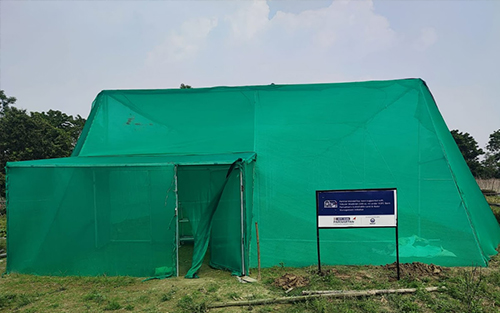
Polyhouse Nursery
Polyhouse Nurseries

30,000 seedlings grown annually per unit, nurturing food security from the ground up.

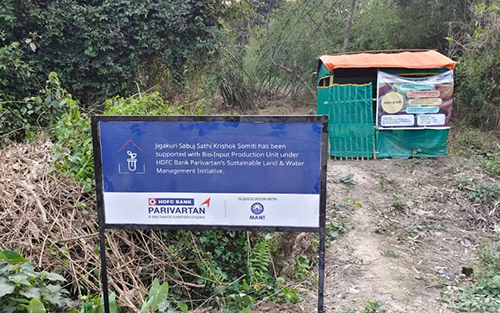
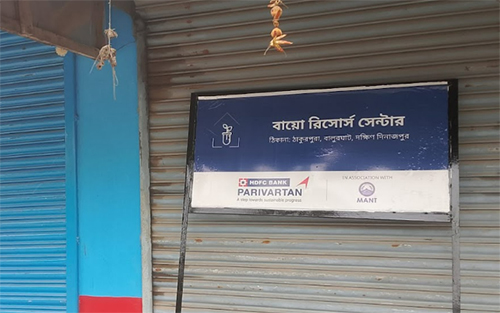
Bio Resource Centres

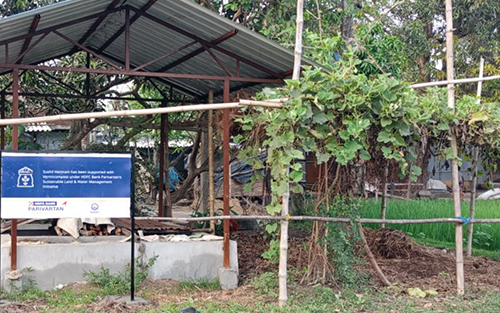
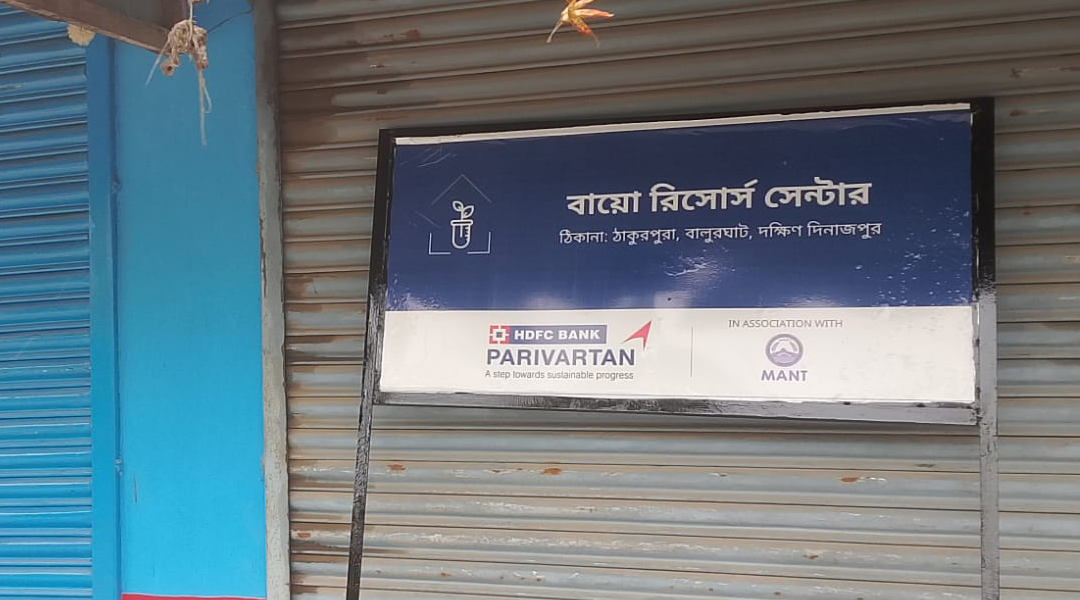
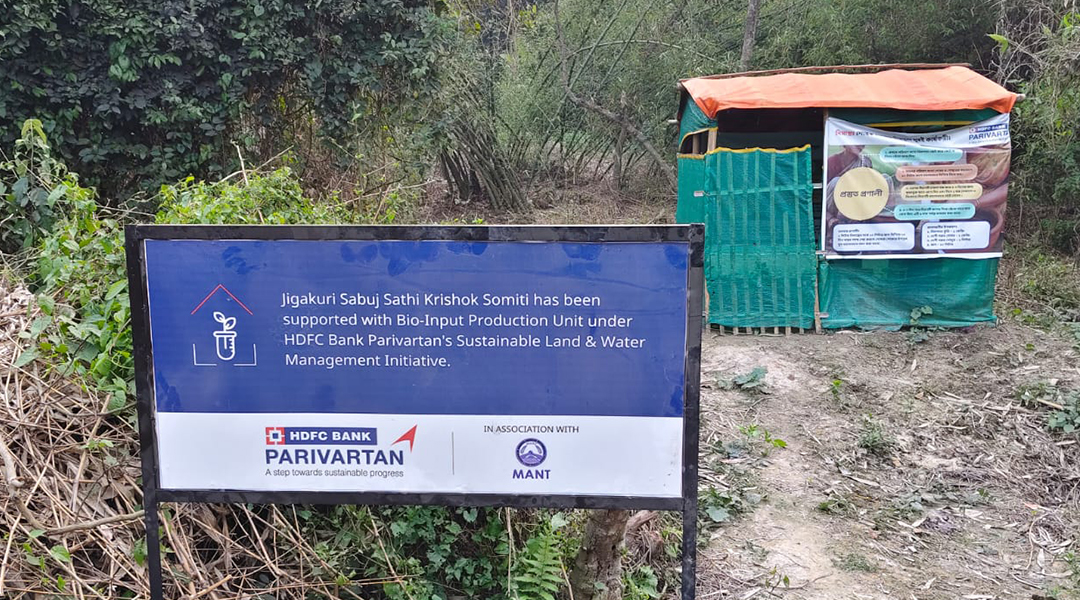
Farmer-run enterprises producing organic inputs, creating income and reducing dependence on chemicals.

Water Restoration

Desilting, fishery revival, and groundwater recharge returning water to where life needs it most.

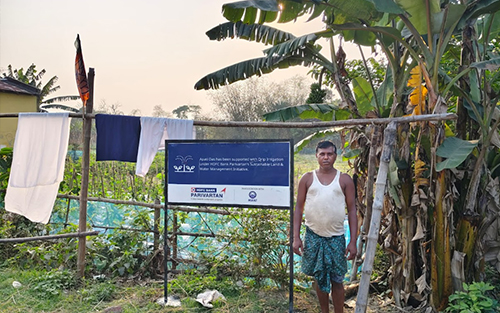
Multilayer Farming
Multilayer Farming

More produce from the same land — smarter farming for a growing nation.

The Transformation

The Before and After That Changes Everything

Drag the slider to see the difference our integrated approach makes on the land and the people.

Fertile Soil After
Degraded Soil Before
Before SRIJAN After SRIJAN
Chemical dependency

Low crop yield

Organic inputs

Multilayer cropping


Water scarcity

Migration

Drip & rainwater harvesting

Local livelihood opportunities

Roadmap to Success

Implementation Dashboard

Tracking our focused scale-up over a 3-year timeline.

Year 1

Foundation

  • Mapping land and potential
  • Testing soils
  • Bringing communities together
Active Phase Year 2

Growth

  • Scaling training
  • Expanding reach
  • Strengthening enterprises
Year 3

Sustainability

  • Farmer-led FPOs
  • Market access
  • Communities owning their future
  • handover
Voices of Change

Their Words. Their Growth. Their India.

Real stories of transformation from the people of Dakshin Dinajpur.

The Big Picture

Resilient Farms. Thriving Communities. A Stronger Nation.

SRIJAN goes beyond immediate relief to establish an ecosystem built on lasting environmental and economic resilience.

  • Climate Resilience: Adaptive farming responding to changing weather.
  • Increased Income: Reduced input costs and diversified crop yields.
  • Community Ownership: FPOs ensuring localized governance.

Circular

Economy

Water Recharge
Soil Health
Market Linkage
Renewable Energy